
How to Move Without Pain After Injury, Pregnancy, or Years of Wear and Tear
How I Help Women Build Strong, Capable Bodies for Life (Not Just Workouts)
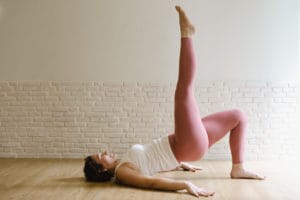
Over the last year, I’ve taken time to reflect on how I work, who I help best, and what actually makes a difference when it comes to long-term movement, health, and confidence in the body.
As we move into 2026, I’m noticing a shift – especially among women over 35, mothers, and active women who care about their future bodies (and before perimenopause wreaks havoc!)
The focus is changing.
Less about chasing aesthetic goals like “losing 10 pounds.”
More about feeling capable, resilient, and confident moving through life.
Being able to:
Play pickleball, netball, or run without fear of pain
Lift, carry, jump, and move with ease
Keep up with kids now, and, stay independent as we age
Feel strong, balanced, and confident in your skin and everyday life
That’s the work I do.
And it’s not about doing more exercise – it’s about moving better.
What I Actually Help People With
At its core, I help people clean up how they move and build a solid base.
That means improving:
Foundational movement patterns
How different parts of the body work with each other
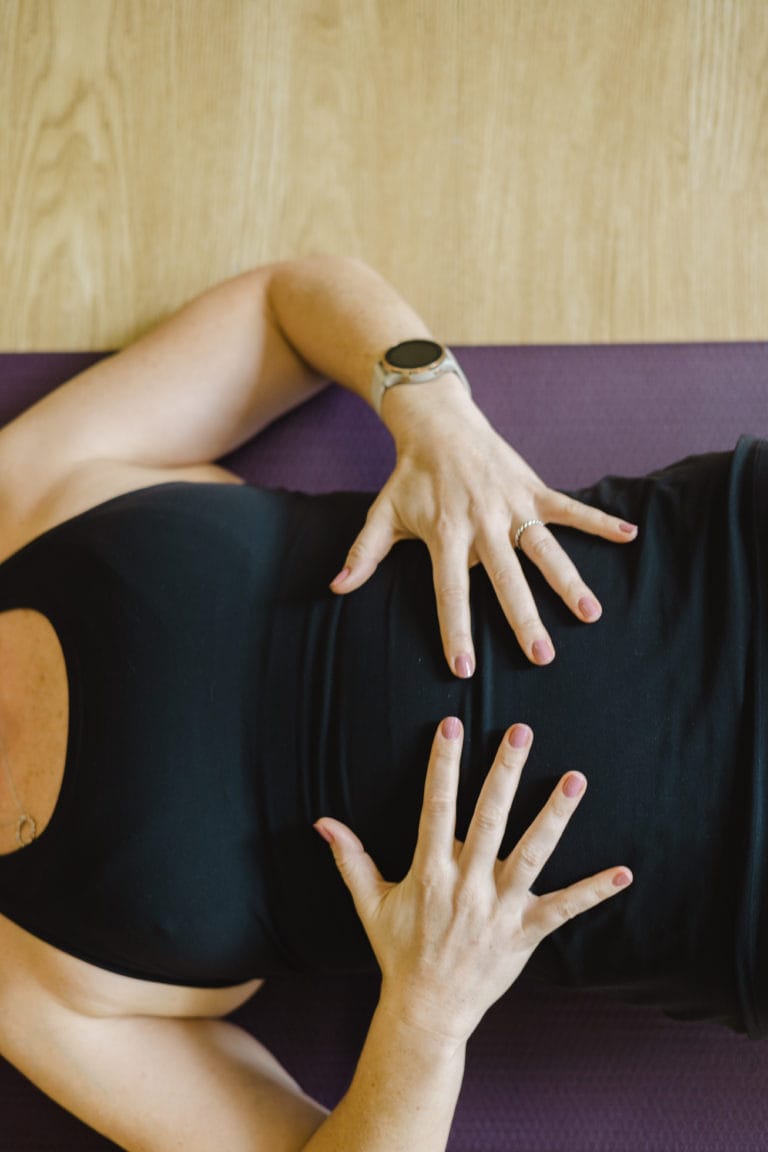
Breathing and pressure management
Strength, mobility, and load tolerance — without unnecessary wear and tear
Most aches, pains, and limitations don’t come from being “weak” or “broken.”
They come from compensation or a lack of movement variability!
Over time, compensations can show up as pain, restriction, or loss of confidence in movement.
My role is to help people rebuild quality movement options, so they can move well now and later in life.
As one of my clients recently said to me, ‘Finally after 15-20 years I can actually feel my abs working!!!‘ (mum of 4)
A More Global View of Pain and Performance
I’m not a physiotherapist, and I don’t spot-treat symptoms.
Instead, I take a holistic, global, whole-body approach.
Very often:
Where you feel pain is not where the real issue is.
For example:
Knee pain may be influenced by foot strength, hip control, or breathing mechanics
Back pain may relate to how the ribcage, pelvis, and hips manage load
Shoulder or neck tension often connects to how the torso expands, rotates, and stabilizes
Rather than chasing symptoms, I look at how the system is functioning as a whole (or lack thereof) — and how we can restore balance, variability, and confidence in movement.
Uncovering your current movement strategies and where we can find more variability.
Instead of just throwing exercises at you, this is what you can expect:
1. Assessment & Explanation: why you’re doing x moves, and what the goal is.
2. Sensation: What we are hoping to feel ie: sensation/stretch/appropriate tension we want to be creating and where.
3. Cues: I will show the movement, and give the appropriate cues that work best for you (without throwing the kitchen sink at you!)
4. Curiosity – I want you to think about how you are moving and start to draw a map in your own body to understand and bring awareness to your patterns.
5. Refine and Increase over time, flexing your mental muscles to help bring awareness outside of our sessions together and implement in your daily life. Appropriately loading and increasing for more gains, strength, and mobility!
The Principles That Guide My Work
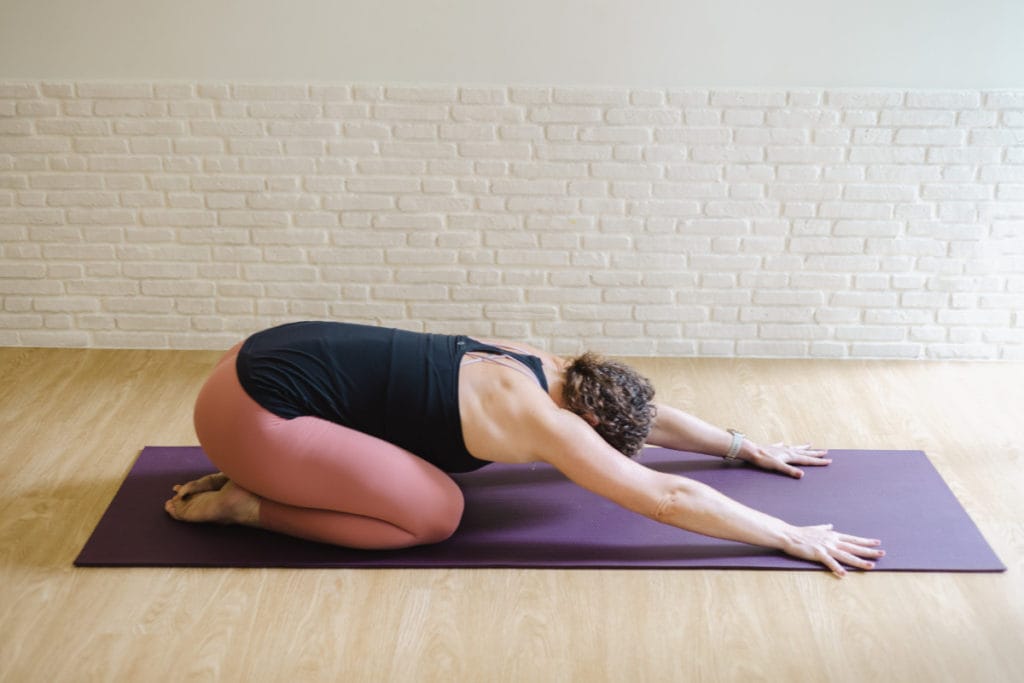
While every client is different, my approach is built on a few consistent pillars:
1. Managing Pressure & Breathing
Breathing isn’t just about relaxation, it directly affects:
Core function
Pelvic floor support
- Lower back pain and tightness
Spinal stability
Nervous system regulation
Learning how to manage internal pressure changes how safely and efficiently the body handles load.
Using intentional breathwork and focused strength helps to improve mobility at the ribcage and pelvis.
For instance, can you push pressure up (into the ribcage – think rounded compressed shoulder needs) and allow pressure to go down (safely.. into the pelvis, think deadlift or hinge type movements).
Air follow the path of least resistance.. this shows up in pelvic floor issues, postpartum issues, back pain and more. Where are you more compressed and restricted in your body, and where do you have too much expansion.
2. Movement Independence
Letting joints do their jobs:
Hips move like hips
Knees move like knees
Spine moves when it should — and stays stable when it needs to
This “cleaning up” of movement patterns reduces compensation and builds resilience.
Bigger muscles can kick into high gear to force movement. How well do the big structures like your ribcage, spine, pelvis do their job. They are the ‘stuff’ that connects everything.
If these areas can’t move independently from the limbs, everything moves as one piece. Sometimes that shows up as pain.
3. Variability & Fundamentals
Getting good at the basics first. Can you load your feet well, can you manage load on one leg, can your really push and protract your shoulder blades, can you feel your glutes and hamstrings working for you?
Then expanding options:
Different positions
Different speeds
Different loads
This creates adaptable, capable bodies — not fragile ones.
4. Strength, Load & Tissue Capacity
Bodies need progressive stress to stay healthy.
That includes:
Strength training
Ligament and connective tissue loading
Plyometrics and impact (when appropriate)
Progressing to dynamic movement requires a solid foundation! Especially as we age, avoiding load doesn’t protect us — preparing the body for it does.
Why Assessment Comes First
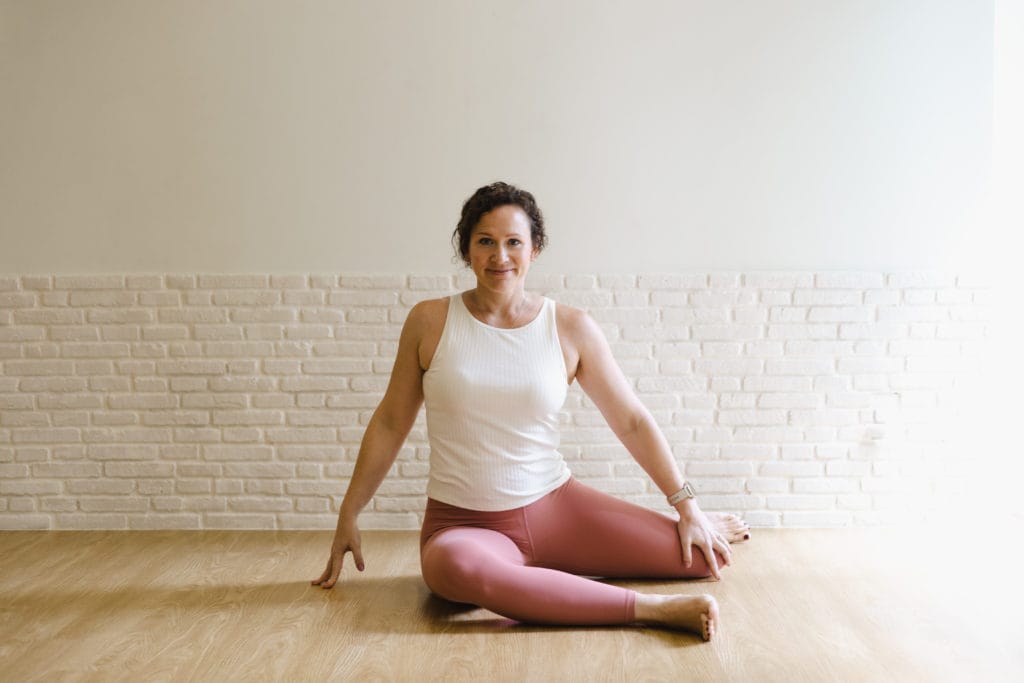
Before jumping into exercises or programs, I focus on assessment. Can you bend and touch your toes, what is your strategy to get there. Can you lunge with ease, can you rotate well, how do you walk and push yourself forward in space, are you holding way too much resting tension or are you loosey goosey? Your body and movements tell a story.
This isn’t about finding faults — it’s about understanding:
What movement options someone already has
What’s missing or underutilized
Where compensations are happening
From there, we build a clear, realistic path forward.
Ongoing Education, Mentorship & Why Coaching Matters
I’ve continually invested in further education, mentorships, and professional development throughout my career.
Not because there’s one perfect method — but because good coaching requires:
Curiosity
Critical thinking
Adaptability
Working with mentors has shaped how I assess, communicate, and support people — especially those navigating pain, recovery, or uncertainty in their bodies.
Even as a movement professional, I rely on guidance and outside perspective. That belief carries into how I work with clients: supporting independence, not dependency.
My Personal Perspective
My approach is also shaped by lived experience.
I’ve navigated:
Fertility challenges
A C-section
Major abdominal surgery with significant muscle loss
Fear and uncertainty around what that meant for my movement and future
Today, I lift, run, jump, play sport, and live a full, active life — not because I “bounced back,” but because I rebuilt intelligently and patiently.
That perspective matters when helping others who feel unsure, limited, or disconnected from their bodies.
Who I’m Best Placed to Help
I work especially well with:
Prenatal and postnatal women
People returning to movement after injury or pain
Active women who do a lot and need better balance, mobility, and recovery
Women who care about aging well, not just looking fit
If you want to feel capable, confident, and supported in your body, now and long-term, this work is for you.
Moving Forward
In 2026, movement isn’t about extremes.
It’s about:
Consistency
Capability
Confidence
Longevity
Building a body that feels good to live in — and lets you keep doing the things you love.
If that resonates, the first step is understanding how your body moves right now — and where it could move better.
Start With an Assessment
If you’re feeling limited, dealing with recurring aches or pain, or simply want to move with more confidence and ease, the first step is understanding how your body is moving right now.
I work through private 1:1 sessions — online and in person — beginning with a movement assessment. This allows us to identify compensation patterns, breathing and pressure strategies, and missing movement options so your training is clear, targeted, and sustainable.
From there, we build a plan that supports your goals — whether that’s returning to sport, staying active as you age, or feeling strong and capable in daily life.
To enquire about private coaching or assessments, you can message me directly via WhatsApp, and I’ll help you decide whether working together is the right fit.
I’ve also got some freebie learning material for you to check out as well! I’d love to connect with you.
Tags